

By: E.A. Putman
From Halftime Headlines to Jurisdiction Questions
I didn’t miss the Bad Bunny Halftime Show because of politics. I missed it because after a nearly ten-hour flight from the Iberian Peninsula into DFW, my priorities were a shower at the Flagship Lounge, a glass of Bollinger, and an on-time connection to IAH — the last of which was optimistic at best. So no, I didn’t watch the halftime show.
But I did see the conversation that followed, including the familiar undertones about Puerto Rico and American identity. And that’s what sent my lawyer brain down a rabbit hole. While social media debated whether an all-Spanish performance was “too foreign” for America’s biggest stage, I was crossing time zones and thinking about custody jurisdiction.
A few weeks earlier, I had attended the International Academy of Family Lawyers conference in Philadelphia. That trip pushed me to expand my practice into international family law and seek admission in the Southern District of Texas so I could handle Hague Convention cases filed in — or removed to — federal court. Somewhere between jet lag and legal logistics, one question kept resurfacing: where does Puerto Rico fit in the custody jurisdiction framework?
Puerto Rico Isn’t Foreign — But It Isn’t UCCJEA Either
If a custody dispute crosses between Puerto Rico and a U.S. state, what rules apply? Puerto Rico sits in a legal space people often misunderstand. It’s not a foreign country, so the Hague Convention doesn’t apply in disputes between Puerto Rico and U.S. states. But it also hasn’t adopted the Uniform Child Custody Jurisdiction and Enforcement Act (UCCJEA), the statute used by forty-nine states, Washington, D.C., Guam, and the U.S. Virgin Islands.
That leaves families and courts facing a jurisdictional puzzle that looks interstate, but doesn’t follow the usual statute.
Enter the PKPA: The Federal Rulebook
This is where federal law steps in. Puerto Rico is bound by the Parental Kidnapping Prevention Act (PKPA), which governs how custody orders are recognized and enforced across state and territorial lines. The PKPA defines “State” to include Puerto Rico, meaning its custody orders are entitled to full faith and credit on the mainland — just like orders from Texas.
And the analysis looks familiar. The PKPA starts with the child’s home state, moves to significant connections if no home state exists, allows for emergency jurisdiction when necessary, and preserves continuing jurisdiction where a valid order is already in place. Different statute, same logic.
The bottom line is straightforward: if a Puerto Rico custody order meets the PKPA’s requirements, courts in the fifty states generally must enforce it and cannot modify it.
Why This Matters in Real Cases
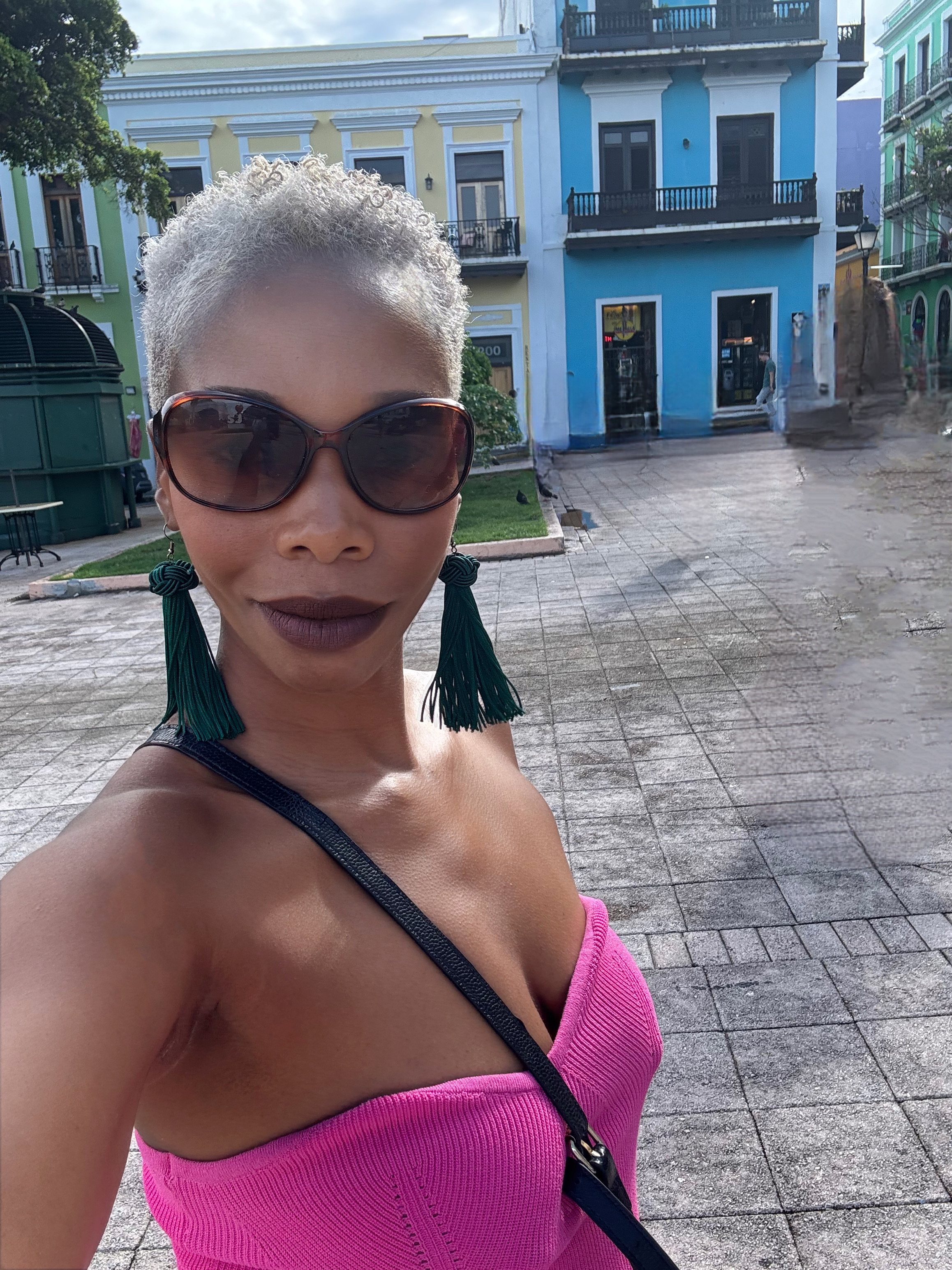
Puerto Rico isn’t just a jurisdiction to me — it’s where I took my first solo trip, and it stayed with me. But the confusion surrounding its legal status has consequences that go well beyond a halftime performance. The cultural debate about whether Puerto Rico is “American” enough may trend online, but in family court, when lawyers treat Puerto Rico like a UCCJEA state — or worse, like a foreign country — they risk filing the wrong type of case under the wrong legal framework.
Online, the debate is about identity.
In court, it’s about authority, jurisdiction, and where the law says a child’s home is.
When lawyers bring bad assumptions about Puerto Rico’s custody framework into that courtroom, the mistake isn’t cultural — it’s procedural.
Eronn Putman is the Managing Attorney of The Putman Firm, PLLC. Licensed in both state and federal courts, she focuses her practice on interstate and international custody matters, with a particular emphasis on procedural disputes and jurisdictional litigation. Travel often comes with the territory — both professionally and personally — and she has a deep appreciation for Latin America.
If you are navigating a cross-border or interstate custody issue, The Putman Firm, PLLC is ready to help.
📞 Call 281-501-9033
📱 Text 832-598-6297
 PUTMANIAC BLOG